
Describe the property
Send the location, symptoms, equipment and access details. State whether the work is a repair, replacement or planned project.
Planning duct cleaning for a Kitchener, Ontario home? Compare supply and return duct cleaning with the separate dryer exhaust vent scope. Describe the property, access and concerns for review. Coverage and appointments require confirmation.
Get A Free QuoteCompare whole-system supply and return cleaning, debris containment, access needs, and photo records for the duct layout in your home.
View scopeAsk whether cleaning covers the complete route from dryer connection to outdoor hood, including bends, with airflow checks explained.
View scopeReview whether the scope includes the blower assembly, evaporator coil, and component protection for your specific equipment.
View scopeCompare HRV core and screen cleaning with the specific bathroom or range hood exhaust runs that need assessment.
View scopeFirst consider whether an odour comes from the ducts; review cleaning sequence, product label, and re-entry guidance before treatment.
View scopeDocument suspected leaks, crushed runs, or disconnected sections and compare proposed repairs for accessible supply and return ductwork.
View scopeDefine building equipment, access windows, included components, and photo records for an office, clinic, daycare, or industrial site.
View scopeCommercial ventilation cleaning requires a defined scope for the building, equipment, access, and operating constraints. For a Kitchener office, retail unit, clinic, daycare, or industrial space, gather available system drawings, rooftop-unit details, and photographs of accessible grilles or make-up air equipment. Ask which ducts and components are included, how occupied areas will be protected, and what documentation will be provided. If work must avoid business hours, state the access window when requesting proposals rather than assuming a schedule is available.
Compare whole-system supply and return cleaning, debris containment, access needs, and photo records for the duct layout in your home. Ask whether cleaning covers the complete route from dryer connection to outdoor hood, including bends, with airflow checks explained. Review whether the scope includes the blower assembly, evaporator coil, and component protection for your specific equipment.
Compare HRV core and screen cleaning with the specific bathroom or range hood exhaust runs that need assessment. First consider whether an odour comes from the ducts; review cleaning sequence, product label, and re-entry guidance before treatment.
Document suspected leaks, crushed runs, or disconnected sections and compare proposed repairs for accessible supply and return ductwork. Define building equipment, access windows, included components, and photo records for an office, clinic, daycare, or industrial site.
A dryer vent’s cleaning scope depends on its route, length, bends, material, and access to the exterior termination. For a Kitchener home with an interior laundry area, a long run, or several elbows, ask whether the proposed work follows the complete line from the dryer connection to the outside hood. Photograph the dryer connection and exterior cap if accessible, and note how long drying takes. This information helps compare cleaning methods and determine whether restricted airflow may need further investigation.
Explore this serviceSend the location, symptoms, equipment and access details. State whether the work is a repair, replacement or planned project.
The request is reviewed so the responding provider can clarify the work, property access and service coverage.
Agree the provider identity, qualifications, written scope, pricing and visit window directly. Sending a form does not confirm an appointment.
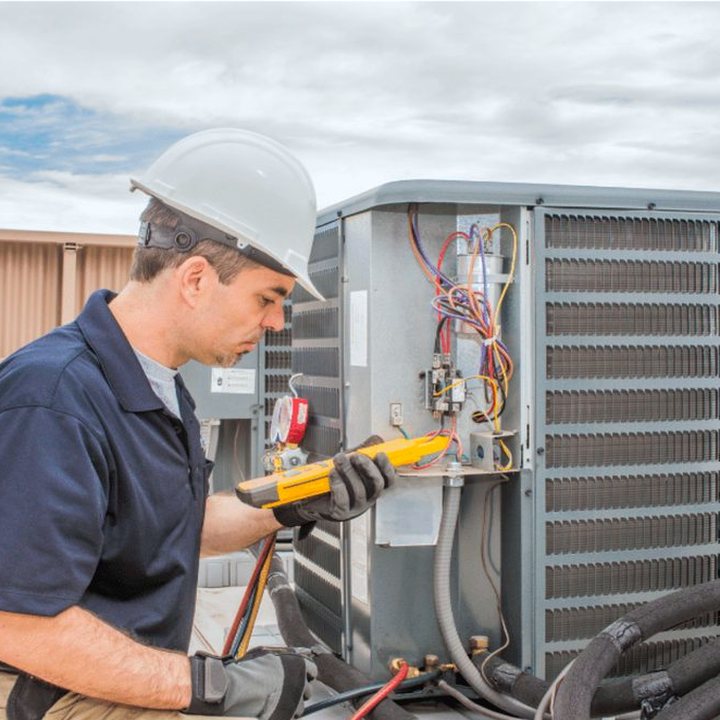
Rooftop units and make-up air systems may require separate consideration from duct runs. Provide equipment counts, model details when available, and access information, then ask which components are included and excluded. A written scope makes it possible to compare proposals accurately and to identify whether additional assessment or separate repair work would be needed.
Interior laundry rooms, finished basements, and stacked laundry arrangements can make vent routes longer or harder to reach. Share photos of accessible connection points and the outside termination, and ask how the route between them will be cleaned. Knowing where elbows, concealed sections, or access limitations occur helps define the work and avoid assumptions about what is included.
Duct routes may differ between an older home, an addition, and a newer installation. Photograph accessible trunks, patched connections, and any crushed or disconnected sections, without entering unsafe spaces. Share those details before comparing quotes. The layout and condition can affect access, time, and whether a separate repair assessment is needed rather than cleaning alone.
An HRV core transfers heat between incoming and outgoing air, and dust on its plates or screens may affect airflow. Ask whether the core and screens are included, how they will be accessed, and whether condensate paths are part of the proposed scope. A photo of the unit label helps verify which maintenance guidance applies to that model.
Smoke, cooking, pets, or a change of occupants may be relevant history, but none confirms that ductwork is the source. Note when the odour began, whether it follows heating or cooling operation, and which registers are involved. This information helps decide whether the ducts merit inspection or whether another part of the home should be considered first.
Use the form to describe the property, the symptoms and the work requested. For Waterloo, Cambridge, Elmira, Ayr, include your postal code so local coverage can be checked.